


Stepping Into the Unknown
You step into a new role. Maybe it’s an acting position, a promotion or something completely new.
You haven’t been fully set up for success (if that even exists). There are still loose ends, unclear expectations, maybe governance that isn’t quite tied together yet, and you’re trying to work out what is actually yours to hold and what isn’t.
Most of us have been here in some form.
And in these moments, there’s often a point where you can start to catch what’s happening inside you. A voice that questions, scans and tries to anticipate...
What if they think I’m not up for it?
Everyone seems busy… I’ll just figure it out on my own.
Am I actually ready for this?
And before we realise it, we start to stretch
Not always in a grounded way, but in a way that thins us out. Saying yes without really knowing if we have the capacity. Holding back from asking questions we probably should ask. Trying to carry things alone, not because we need to, but because something in us feels like we should.
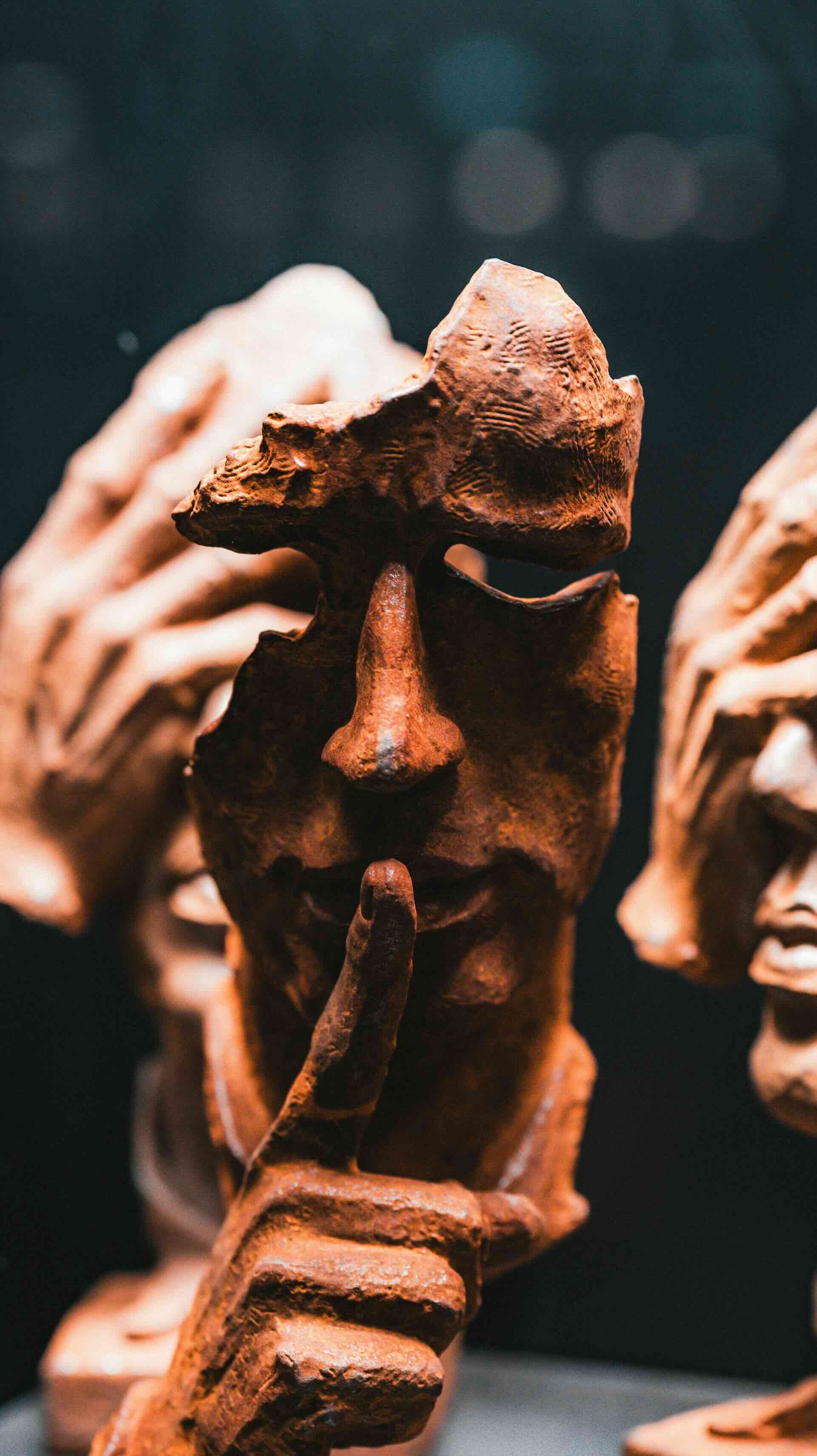
Understanding the Inner Imposter
This is often called the inner imposter, or the saboteur.
It’s not here to harm us, on the contrary it is trying to protect us.
But when it takes the lead, it creates a lot of inner noise. When it takes the lead, doubt becomes louder than discernment, and a lot of our energy goes into managing how we are perceived rather than being available to actually contribute meaningfully.
A Different Way to Enter the Moment
So, what might shift if we entered the same situation a little differently?
Not with certainty, but with what Brene Brown would refer to as grounded confidence – a sense that we are enough and that we do have something to offer, even while we are still learning and finding our way.
From this grounded place we can start to move with a bit more openness and honesty.
For example; We might quite simply say…
“I’m here because I know I can add value and I’ll need your support as I step into this role. I’ll get things right and wrong, and I’m open to feedback and learning as we go.”
Questions come more easily, support feels natural rather than something to avoid, and relationships begin to form through that honesty.
Reframing Doubt
This is a conversation we’ve had so many times over the years with our clients, friends and family. And what we keep coming back to is this…
Inner doubt is not the issue. In many ways, that inner doubt serves us. It keeps us considered, it keeps us human, it reminds us that we don’t have it all figured out. It does however become an issue when it’s running unseen, unchecked and unconsciously.
The Energy Beneath the Surface
We often use the metaphor of the swan. Calm and composed on the surface, while underneath there is a lot of movement, with a lot of effort.
For many leaders, that unseen movement is the constant management of doubt. And there is something to consider here…
How much energy becomes available when that inner friction softens, when doubt is met with a bit more curiosity and a bit less urgency to fix or hide it.

What We Notice in Practice
Over the years, what we’ve noticed in people who have been building a healthier relationship with that inner voice is:
- They become aware of it. It’s no longer sitting quietly in the background unconsiously shaping everything.
- They stay with the ongoing work of recognising their own value, slowly loosening the link between worth and achievement, capability, or how others see them.
- They ground themselves in purpose, in the difference they are here to make, rather than constantly worrying about how they are being perceived.
Why This Matters More Than It Seems
Sometimes holding enough space for this kind of reflection can be seen as self-indulgent, especially when there is so much happening in the world. And at the same time, there is something deeply practical in recognising that our ability to see, hear, and support others is deeply connected to how we relate to and resource ourselves.
We believe that resourcefulness is not something we go out and find. It’s something we learn to access, within ourselves and in connection with others.
Resourcefulness is an inner well, and a shared one.
Shift the Seat at the Table
Next time that your inner voice appears, imagine it sitting beside you… not at the head of the table.
Let it speak. And then quietly ask:
What does this voice need me to be aware of… and what does it not get to decide?
From there, take one step that reflects your judgement, not its fear.
Images by Buddhi Jayaweera and Mighel Lindo on Unsplash


